Trauma and Menopause
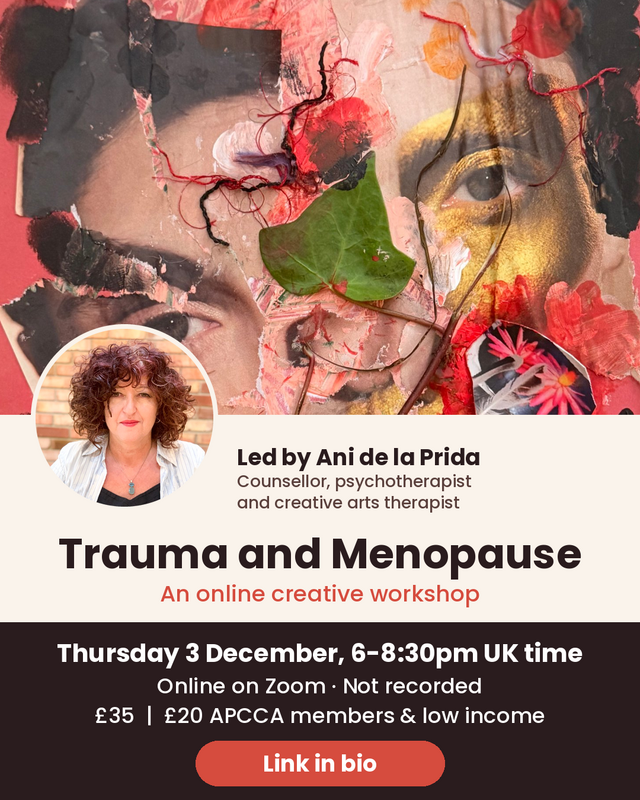
Explore this transition through a pluralistic lens, drawing on myth, story and creative arts in this experiential workshop.

🌕 Trauma and Menopause: an online creative workshop
Menopause is a physical, mental, emotional and spiritual experience. Each person’s experience is unique, shaped by family, culture, expectations and lived experience.
For many women it can be confusing, challenging, sometimes even traumatic. We may find ourselves acting in ways we don’t recognise, questioning our work, our friendships and how we spend our time.
But it can also be positive and empowering: a storm that clears the way, and a threshold into a new phase of strength, wisdom and authenticity.
Join me on Thursday 3 December to explore this transition through a pluralistic lens, weaving together personal resources, experiences and perspectives. Drawing on myth, story and Clarissa Pinkola Estés’s Women Who Run with the Wolves, we’ll gently open up this conversation, with an invitation to a creative arts experiential during the session.
You don’t need any art experience, and you only share what feels comfortable. Your stories are as valuable as mine. The session won’t be recorded, so everyone can speak freely.
Led by Ani de la Prida, psychotherapist, creative arts counsellor, supervisor and author, with 25 years’ experience of working with creative arts and trauma.
📅 Thursday 3 December
🕕 6-8:30pm UK time
💻 Online (Zoom)
💛 £35 | £20 for APCCA members and those on a low income
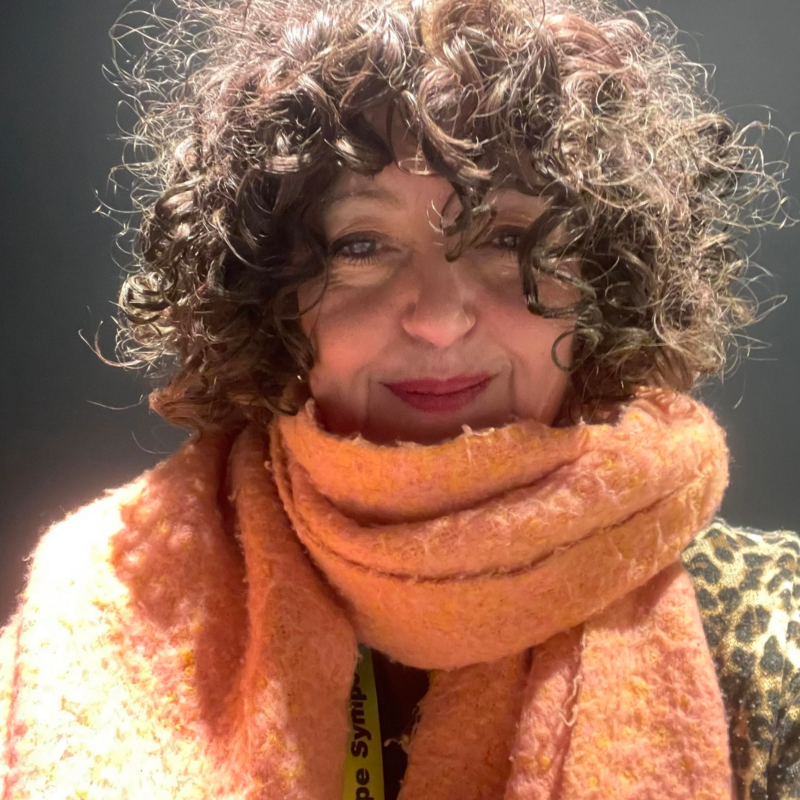
Ani de la Prida, MA, MBACP is a psychotherapist, creative arts counsellor, supervisor and author who brings a person-centred and pluralistic philosophy to her work. She is passionate about creative approaches to therapy with over twenty five years experience working with children, young people, adults and groups in a wide variety of settings.
Ani is co-founder of the Association for Person Centred Creative Arts (APCCA ). She currently has a small private practice and her research interest is in creative arts and the use of digital media in therapy.
Her recent publications include The Pluralistic Therapy Primer, What Works in Counselling and Psychotherapy Relationships, Person-centred creative arts therapies in The Tribes of the Person-Centred Nation and Demedicalised counselling and psychotherapy with children and young people in People not Pathology.


